
Undesirable to undeniable: The overlooked commercial assets many lenders won’t fund.
Author: Mark Eastwood, Director of Sales at Together
Let’s start with an uncomfortable truth: lender criteria matters.
It sets the boundaries for the types of properties and projects each lender is willing to back, shaped by risk appetite, funding lines and internal policy.
Those same boundaries can often leave perfectly viable commercial properties with limited funding options simply because they fall outside of a standard checklist or their full potential isn’t immediately visible.
In practice, many of these assets are prime candidates to be re-positioned and redeveloped into successful, profitable ventures.
Here are the most overlooked commercial property types, and why, with the right approach and financial support, they can be transformed from undesirable to undeniable.
Brownfield sites
Together’s latest research, using Searchland and DLUHC Brownfield Register data, shows there are 35,896 brownfield sites across England and Wales, covering more than 500,000 hectares of previously developed land.
Collectively, this land carries an estimated as-is value of around £99bn, rising to more than £280bn once developed, highlighting both the scale of opportunity and the level of complexity that can place these projects outside traditional lending criteria.
Traditional lenders tend to approach these projects with caution. Uncertain costs, longer timelines and more complex risk profiles can make the property harder to underwrite.
Factors such as land remediation, demolition, planning delays and challenging valuations all contribute to that complexity.
This is often where specialist lending steps in to support. At Together, our underwriters have worked with hundreds of investors and developers on brownfield deals, so they have the experience and expertise to highlight potential issues early, navigate the complexity, and deliver the right outcomes when a case makes practical sense.
For example:
-
Turning long-disused land beside the M54 in Wolverhampton into a £22m high-tech logistics and manufacturing hub.
-
Developing 63 family homes on previously abandoned land in Yorkshire, helping to regenerate a site at the centre of an established community.

Brownfield sites: What can you do to help secure funding?
- Provide Phase I/II ESA reports with a defined remediation plan.
- Fully evidence abnormal costs like clearance, contamination and groundworks.
- Show a clear route through planning constraints or change of use.
- Address site-specific issues such as access, utilities or surrounding use.
- Link the added risk to clear value uplift, end-use viability and exit strategies.
Listed buildings
Listed buildings often sit high on a lender’s “too difficult” list, despite their clear appeal and long-term potential. Character, history and location can drive strong value, but they come with layers of complexity that make deals harder to assess and structure.
The challenge is less about the asset itself and more about the constraints. Listed building consent, strict planning controls and the need to preserve original features can extend timelines and introduce cost uncertainty. Specialist materials, labour and compliance requirements can also push budgets beyond standard refurbishment assumptions.
Valuation adds another layer of difficulty. Comparable evidence is often limited, particularly where a building is being repositioned or upgraded to a higher specification, making end values harder to evidence with confidence.
This is where a more flexible, case-by-case approach becomes essential. With the right expertise, these constraints can be managed and often underpin the asset’s long-term value, shifting the focus from standard criteria to how the scheme will actually be delivered.
For example:
- Redeveloping a landmark bank building left vacant in the heart of Liverpool into the city’s latest fine dining establishment.
- Restoring a historic hotel in Preston to its former glory, inviting guests back through the doors after decades of dereliction.

Listed buildings: What can you do to help secure funding?
- Provide a clear listed building consent strategy, including early engagement with planning authorities
- Evidence specialist costs for materials, restoration and compliance works
- Demonstrate experience or support from heritage specialists and contractors
- Show how the scheme preserves key features while delivering a viable end use
- Support valuation with relevant comparables or similar heritage redevelopments
Change of use or mixed use projects
Change of use and mixed-use projects are often seen as an obvious route to unlocking value, particularly where assets no longer match local demand. Conversions and reconfigurations can reposition underperforming property into something far more commercially viable.
The challenge is rarely the concept, but the delivery. Planning risk sits at the centre, with outcomes dependent on local policy, surrounding use and scheme design. What works in one area may not translate in another.
Demand is just as important. A conversion can be technically viable without delivering a strong end value, so lenders need confidence the proposed use or mix reflects real market demand.
Valuation can then become less straightforward, especially where assets shift between sectors or blended schemes lack clear comparables.
For example:
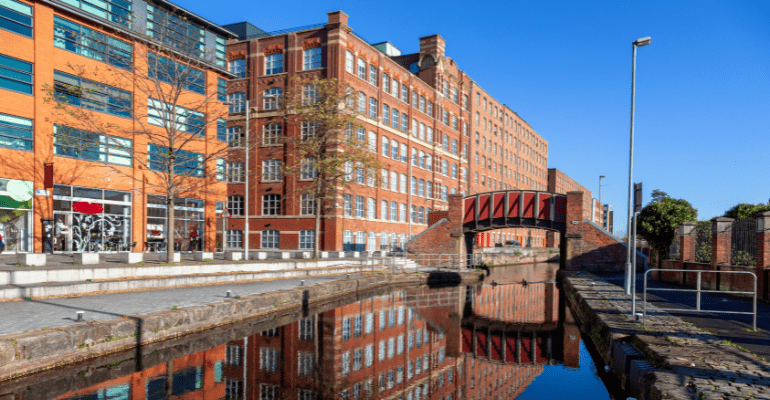
- Regenerating an abandoned mill in Wigan into a vibrant mixed-use zone, combining offices, residential units, and hospitality.
- Repositioning a vacant Georgian townhouse in Edinburgh into an attractive hotel catering to the Scottish capital’s booming short-stay tourist trade.

Change of use or mixed-use: What can you do to help secure funding?
- Evidence a clear planning route, including precedent or alignment with local policy.
- Demonstrate end-user demand using comparables and local market insight.
- Show how the new use or mix delivers value uplift over the existing asset.
- Address valuation approach, particularly where comparables are limited.
- Present a joined-up strategy linking planning, demand and exit.
As you’ve no doubt realised, many of the cases we’ve discussed don’t just fall into one of these categories, but several. Whilst this can increase the complexity for lenders, it rarely diminishes how successful a well-planned, properly costed project can be.
The opportunity lies in recognising that value isn’t always visible at first glance. In many cases, the long-term value just needs to be unlocked. At Together, we work alongside experienced investors and developers to understand how projects will be delivered in practice, rather than just how they appear on paper or against a checklist.
If you want to turn your next project from undesirable to undeniable, bring it to us to see how we can structure and fund deals that unlock the potential other lenders overlook.
Unlock your next ‘unmortgageable’ dealSimilar articles
-

Why I’m confident about corporate opportunities in 2026 – Mark Eastwood, Director of Corporate Sales
1 minBusinessMortgage -

Not every landlord will survive the Renters’ Rights Act. But which landlords could thrive?
4 minBusinessBuy to Let -

EPC changes for commercial property: What landlords and investors need to know
8 minBusinessBridging LoanAuction FinanceMortgage

Any property, including your home, may be repossessed if you do not keep up repayments on your mortgage.
All lending decisions are based on lending criteria and, where applicable, subject to credit check and an assessment of individual circumstances.
All mortgages are subject to our terms and conditions.
Loans offered by Together Commercial Finance Limited are not regulated by the Financial Conduct Authority.
Articles on our website are designed to be useful for our customers, and potential customers. A variety of different topics are covered, touching on legal, taxation, financial, and practical issues. However, we offer no warranty or assurance that the content is accurate in all respects, and you should not therefore act in reliance on any of the information presented here. We would always recommend that you consult with qualified professionals with specific knowledge of your circumstances before proceeding (for example: a solicitor, surveyor or accountant, as the case may be).